
The History of a
Japanese Relocation Center
1st place winner of 2025 Wyoming Historical Society’s “Reference Work on a Wyoming Subject or Locale” award in recognition of outstanding accomplishments and contributions to Wyoming’s Legacy.
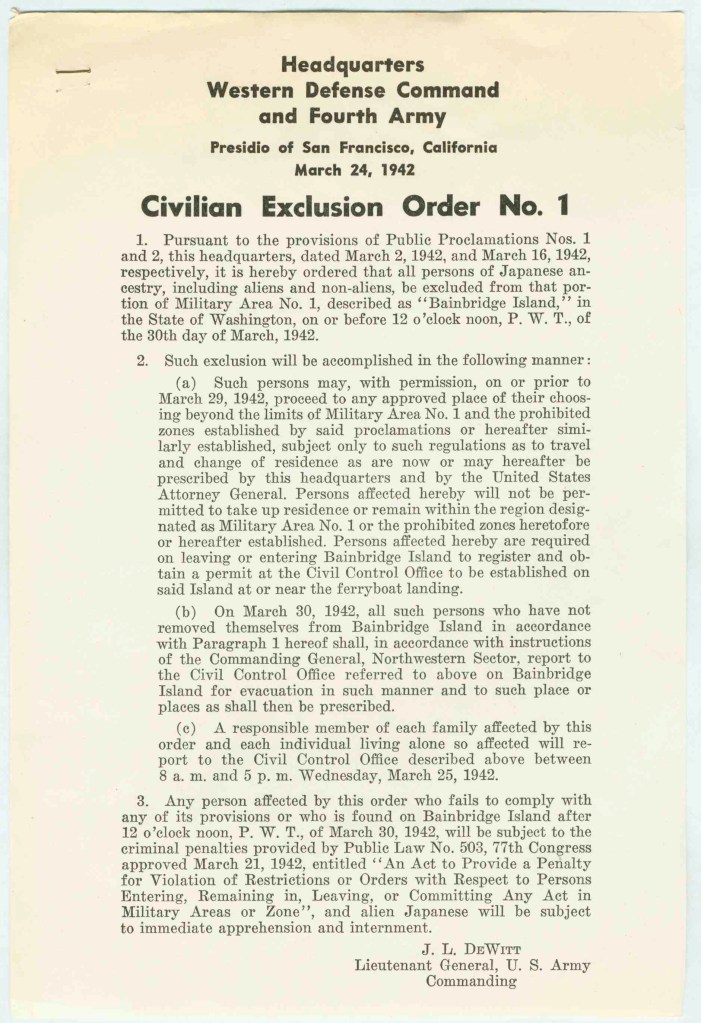
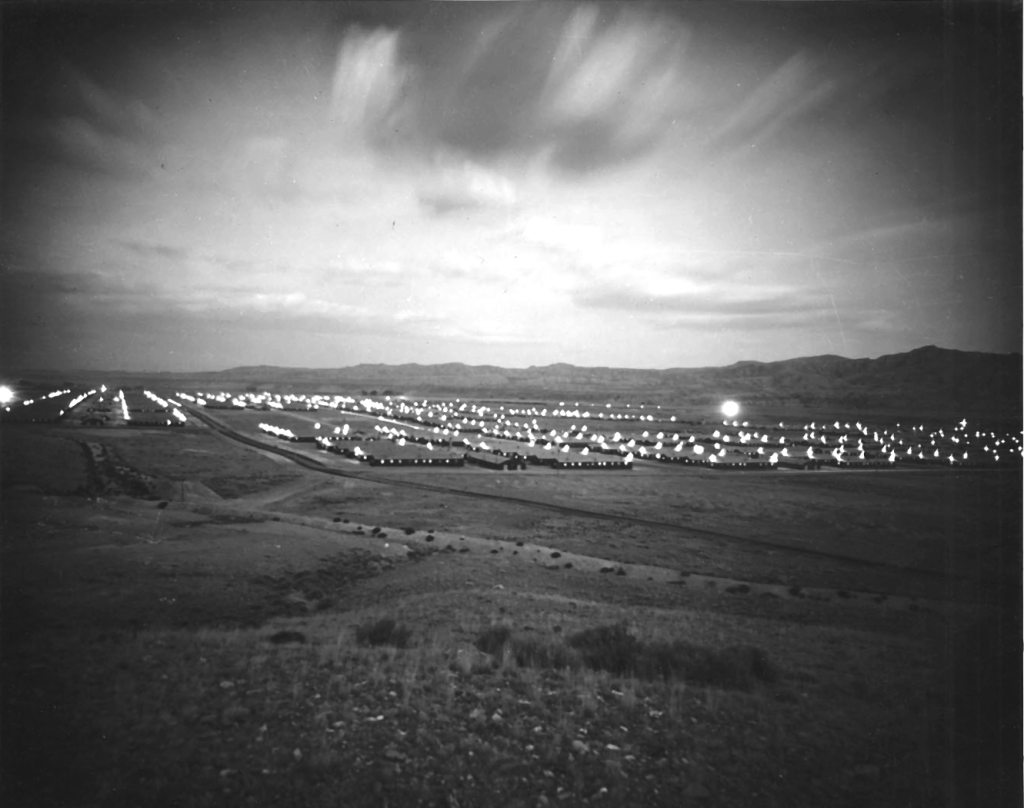
This is the story of a temporary city. Heart Mountain Chronicles is a meticulously researched account of the construction and operation of one of the ten prison camps built by the U.S. Government in the summer of 1942 to incarcerate persons of Japanese ancestry living along the West Coast after the attack on Pearl Harbor.
While others have written about the people who were interned in Japanese relocation centers during WWII, this is the story of one of the camps, told by two brothers who lived there after the war.
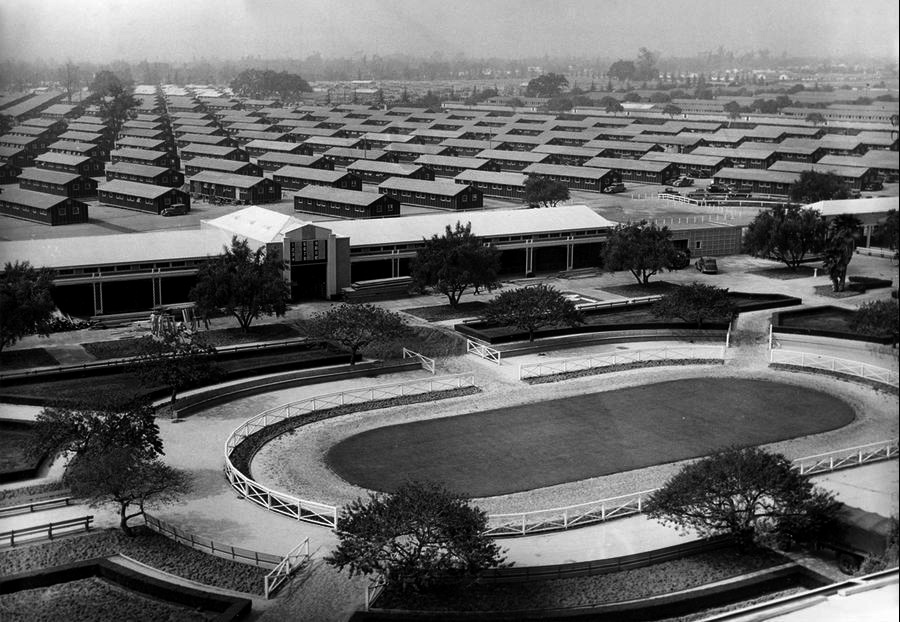
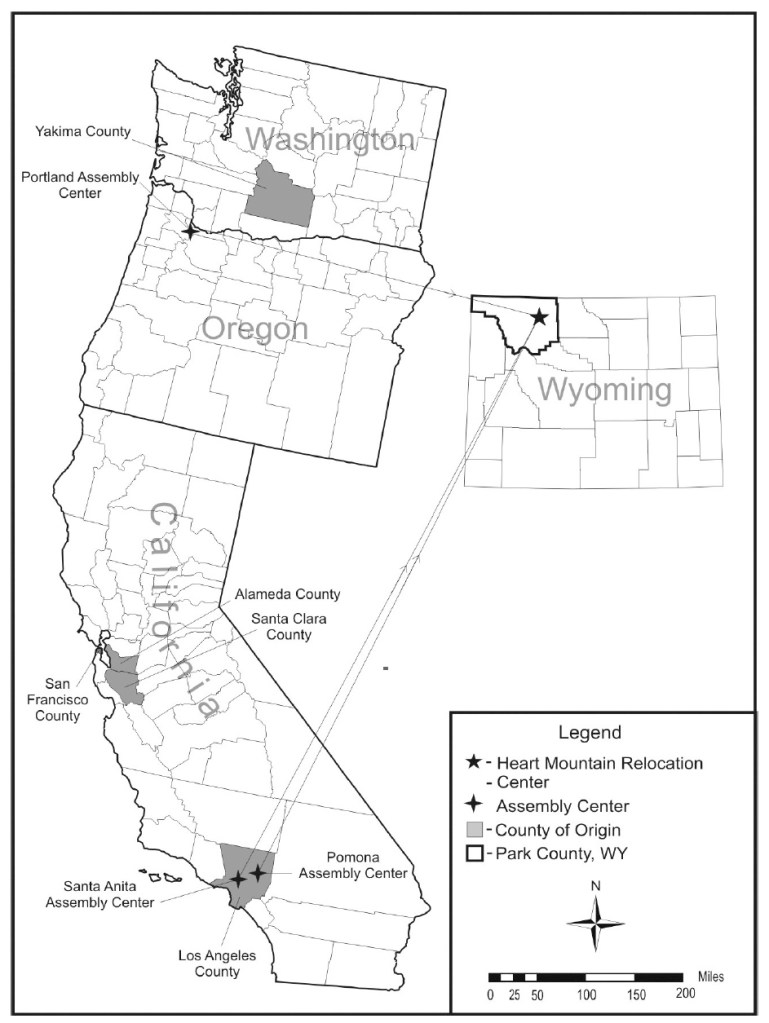
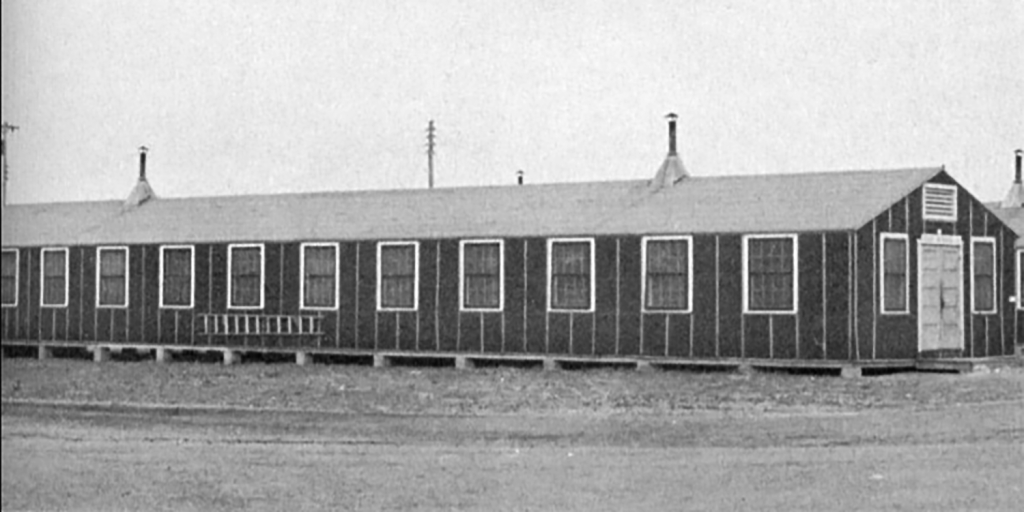
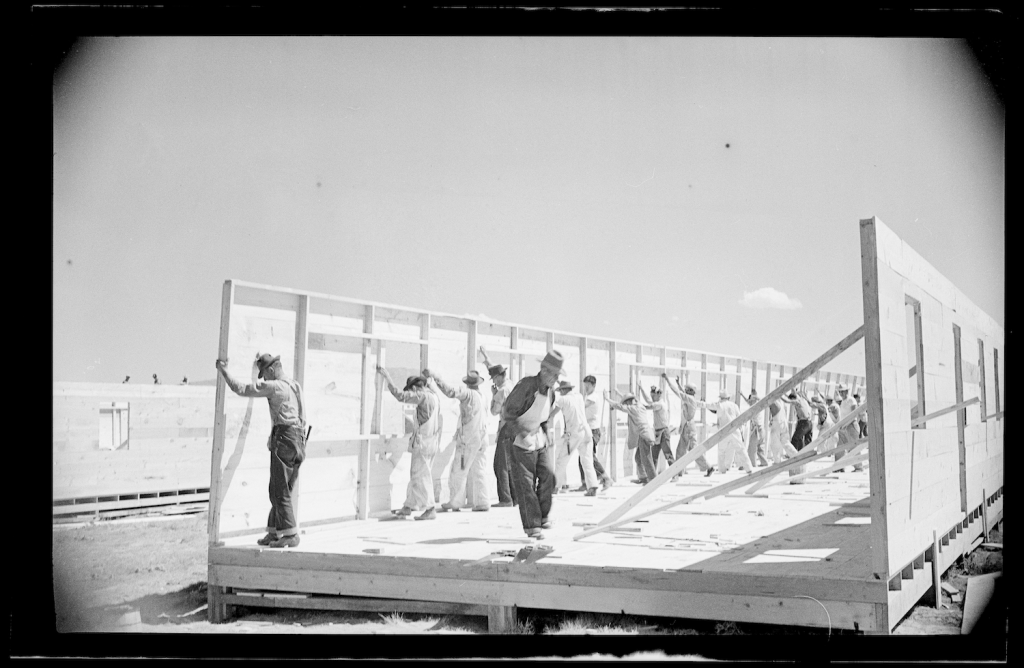
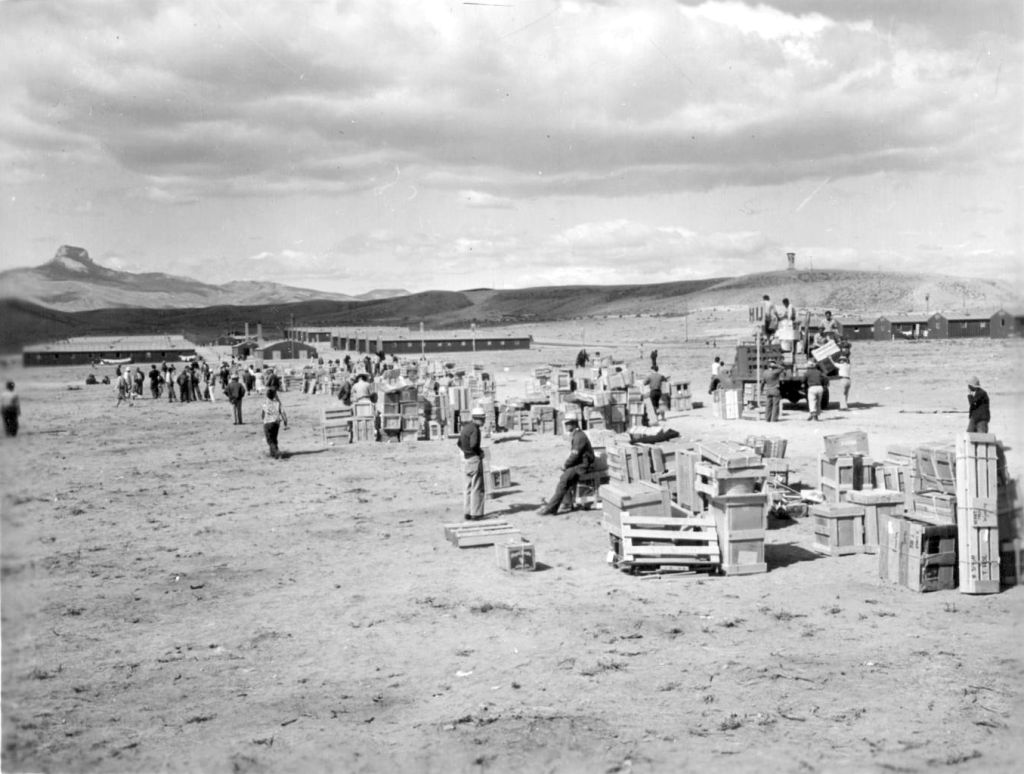
The book details the planning, construction, and services that were developed to intern 11,000 people at the Heart Mountain Relocation Center in Wyoming. It’s the story of the physical as well as the social infrastructure that the internees had to create for themselves: schools, shops, a newspaper, hospital, fire department, and a system of self-government.
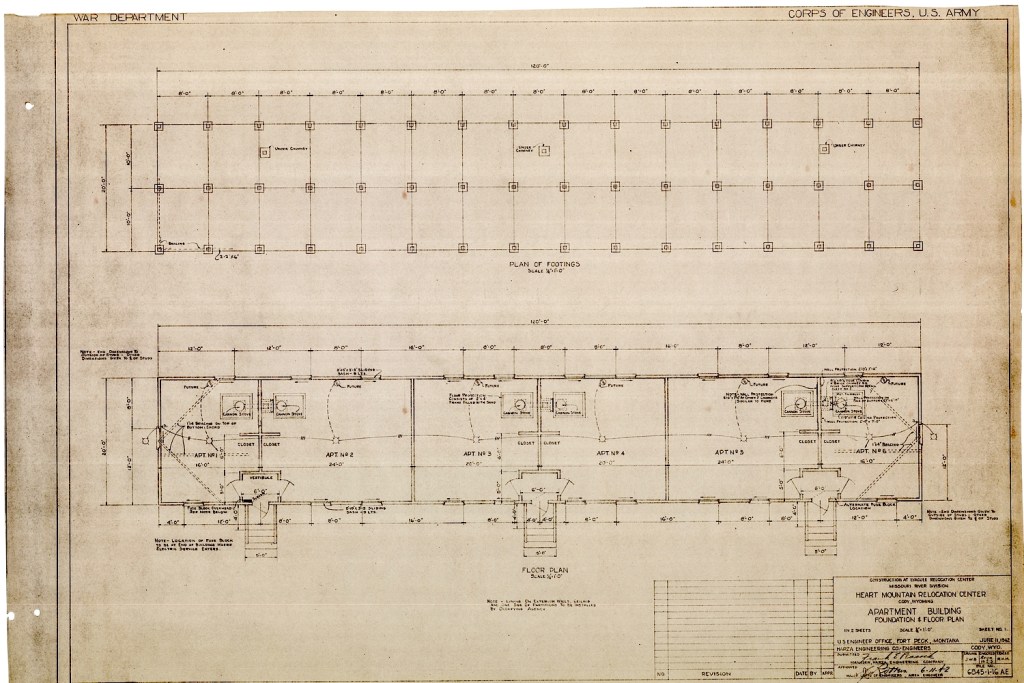
This is the record of who built the internment camp, where the blueprints came from, how its infrastructure turned out the way it did, who managed it, how the prisoners completed its construction with their own labor, what life was like living in such dreadful place, and what happened to the camp after the war was over.
It is a fascinating study of the strength and creativity of the Japanese-Americans interned there, and all the accompanying community services that they created from scratch in a short time with few resources.
Included are many previously unpublished photographs and blueprints.











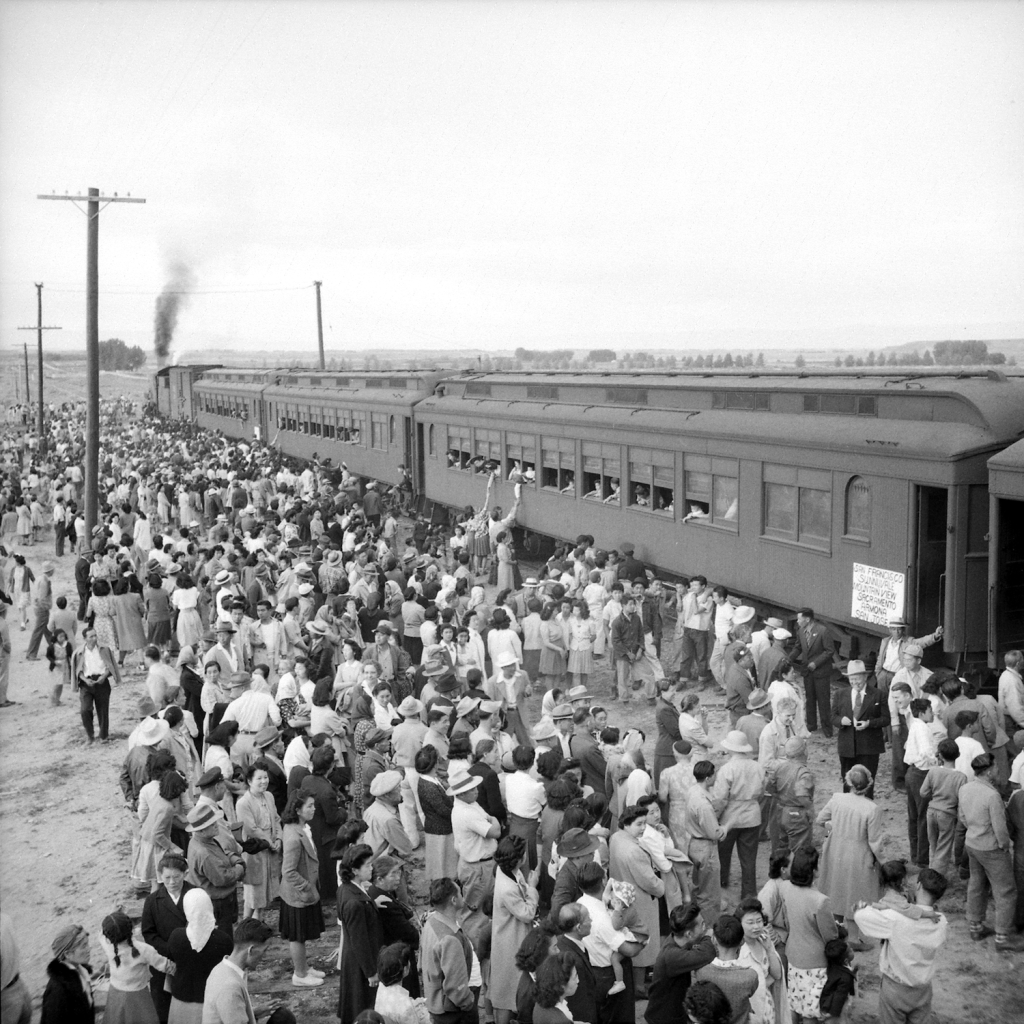

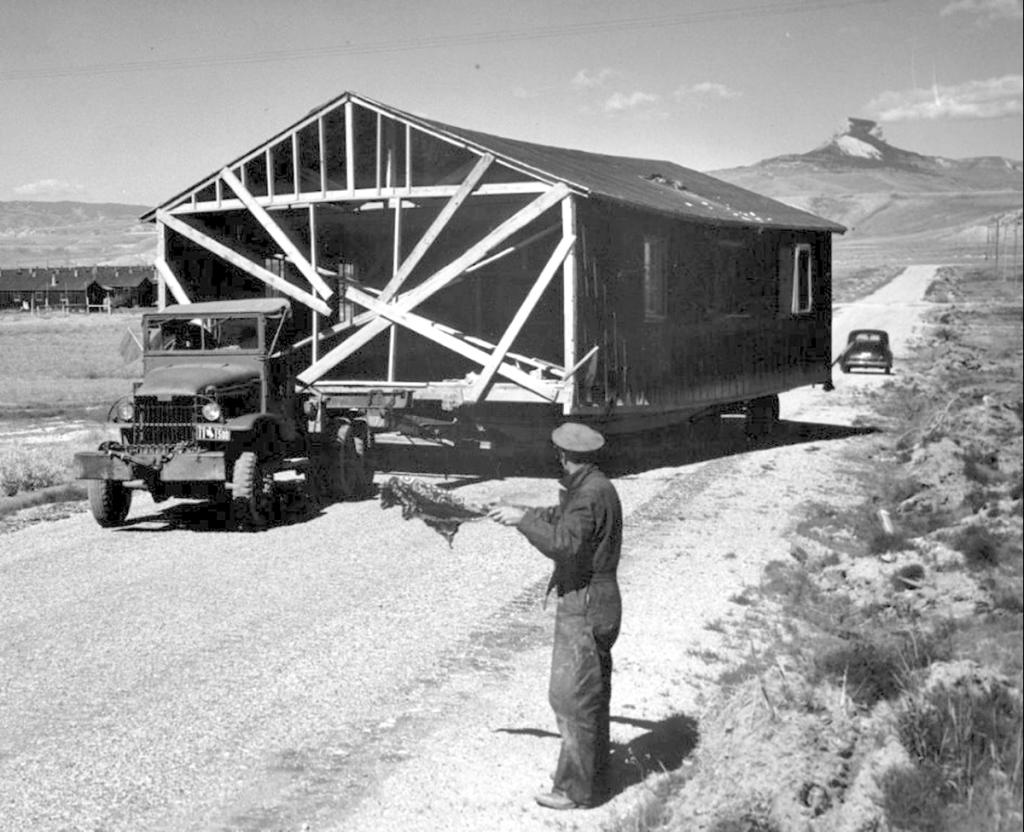
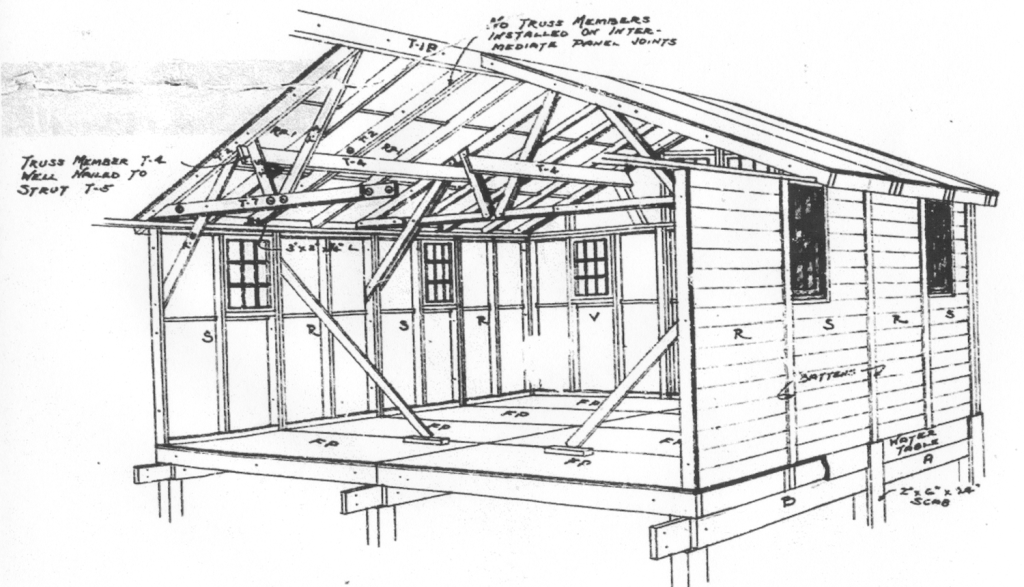

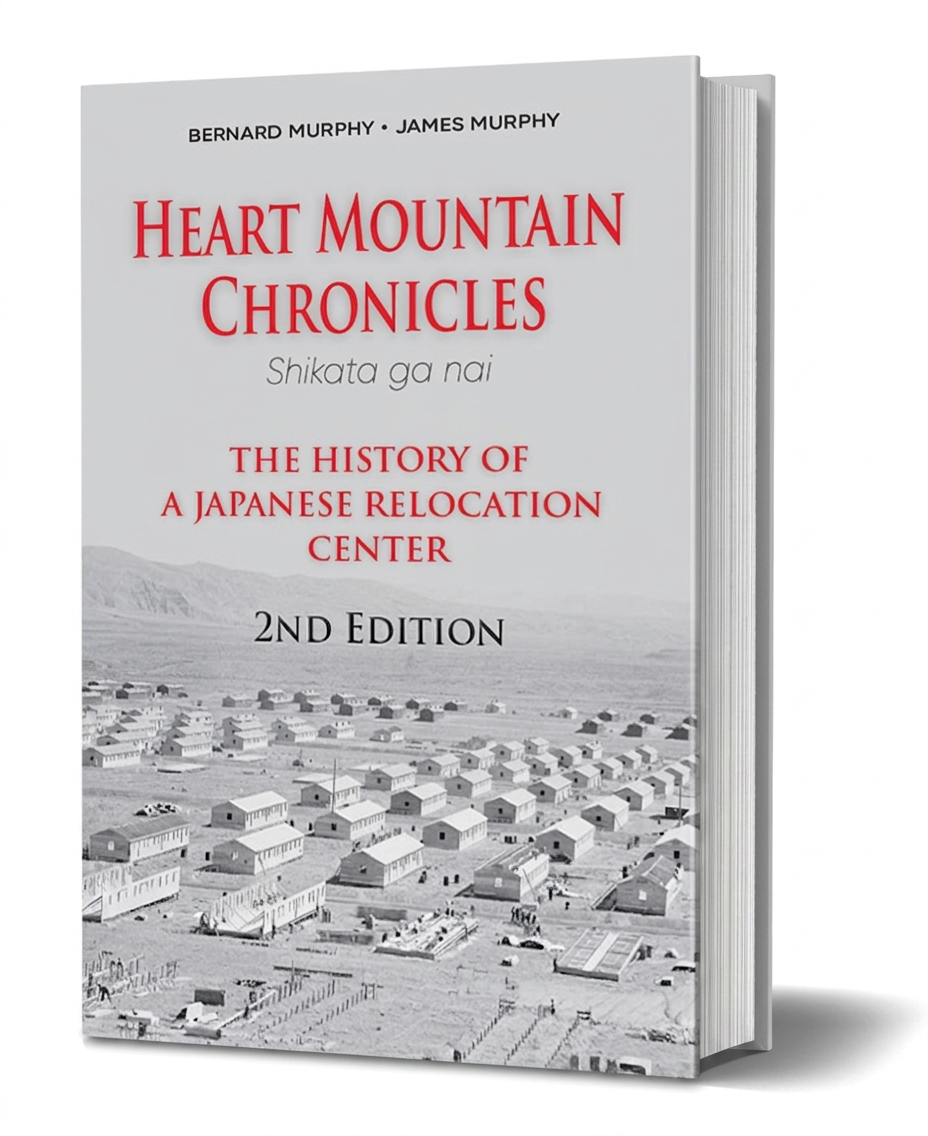
The value of this fact filled volume cannot be overstated. It will serve as an indispensable resource for future scholars, historians, researchers. Never before has information about this vast array of camp institutions, facilities, and practices been gathered and assembled in one place. Beyond that, Heart Mountain Chronicles is written so clearly and illustrated with such fascinating photographs, it will be enjoyed by even the casual reader. This updated second edition belongs in every library and bookshelf.
- 2nd Edition Hardcover $45.00
Published May 2026
ISBN: 979-8-9939600-2-9
LCCN: 2023918276
672 pages, 6.125″ x 9.25″
219 black & white images - 1st Edition Paperback $36
Published 2024
ISBN: 978-1-7334897-2-0
Reviews
— Art Hansen, director emeritus of the California State University, Fullerton Japanese American Oral History Project and former senior historian, Japanese American National Museum:
Altogether, this book is a veritable treasure to all students of the World War II Japanese American incarceration experience generally and specifically to the Heart Mountain location both during and after its wartime interval. The insatiable curiosity and the indefatigable work ethic of the Murphy brothers have gifted us with a treasure trove of invaluable information.”
Full review here: https://www.nichibei.org/2025/07/a-heart-mountain-treasure/
— Douglas Nelson
Author, Heart Mountain: The History of an American Concentration Camp:
Most books and articles about Heart Mountain, including my own, focus on recounting the experience of the 14,000 people of Japanese ancestry who were forcibly confined at a remote location between Powell and Cody, Wyoming during World War II. How did they adapt? What hardships did they endure? How did they respond to the injustices of their removal and imprisonment? How did the experience of loss, racial hatred and immense hardship affect their feelings about the United States? And how did the stress of incarceration impact the bonds of family and community within the camp and after.
By contrast, Ben and Jim Murphy have chosen to focus their research on the physical, operational and administrative infrastructures of the Heart Mountain camp itself. The result is a remarkable, pathbreaking and much needed book.
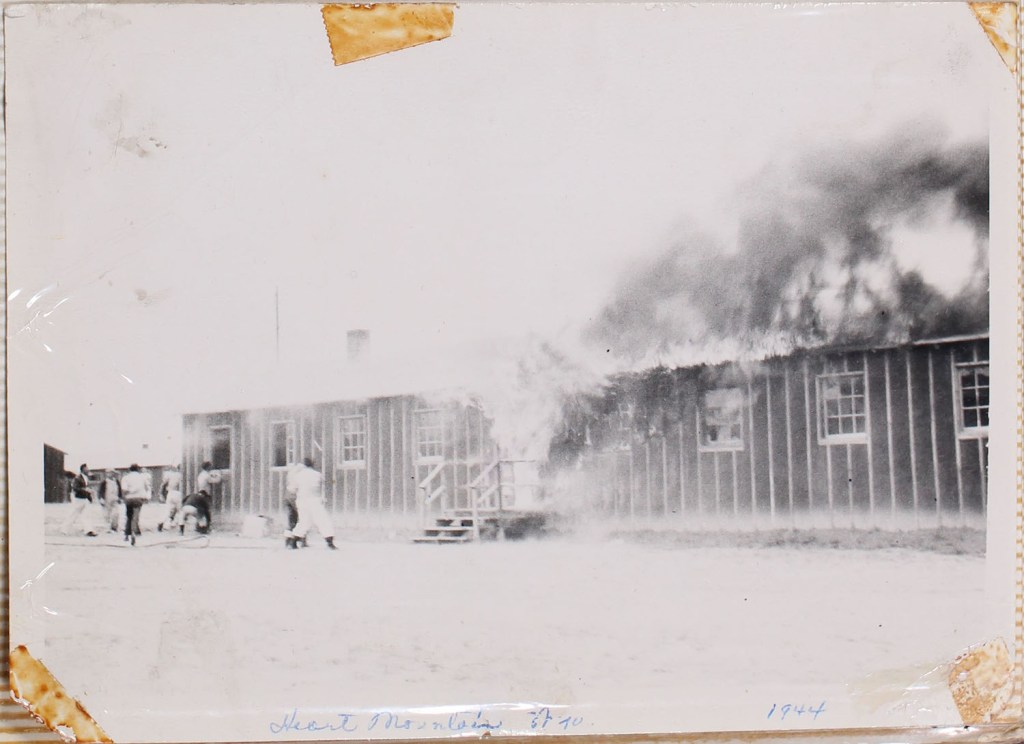
Heart Mountain Chronicles gives us a scrupulously researched, detailed and near encyclopedic account of the built environment of an American concentration camp. With blueprints, photographs, planning documents, and interviews, they have given us best available description of the barracks, mess halls, hospital, schools, latrines, guard towers, root cellars, fences, administrative buildings, boiler rooms, firefighting equipment, utilities infrastructure, and a lot more.
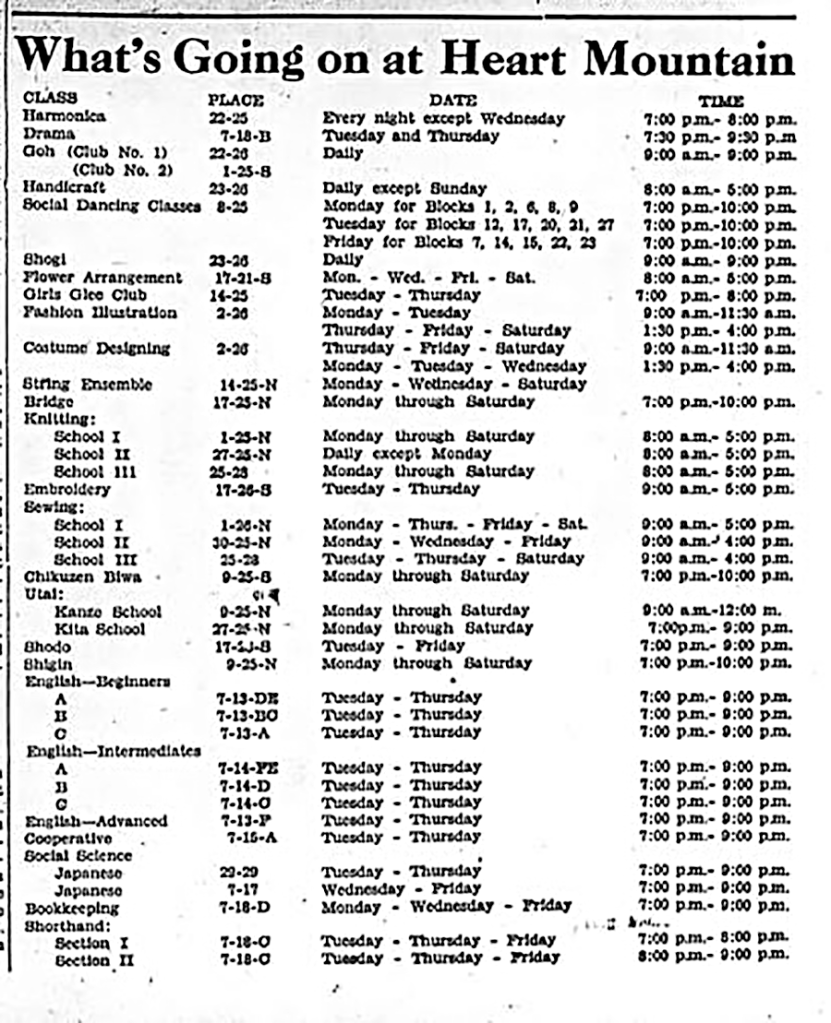
The Chronicles also provides an overview of the administrative and social infrastructure that was built to sustain a viable community within the confines of the camp. In additional to very valuable demographic data on the incarceree population, the authors describe the health care resources, emergency services, policing, recreational activity, employment opportunities, access to consumer goods, social services, community governance, and the educational programing available to thousands of school age incarcerees. Never before has information about this vast array of camp institutions, facilities, and practices been gathered and assembled in one place.
Finally, a word about the authors. Ben and his late brother Jim weren’t trained as historians or writers. Their interest in adding detail to the story of Heart Mountain grew out of their experience living at the site from 1948 to 1950 in one of the remaining barracks. Their father had been assigned to the area as part of his job as an engineer on the Shoshone Reclamation Project and the boys learned firsthand of the hardships of living in the cold, cramped and dusty housing-the kind that had been home to thousands of Japanese Americans a few years earlier. Many decades later, Ben and Jim decided on an ambitious project–to learn much more about Heart Mountain than what they remembered as boys and then help others see and feel the harsh reality of what was built at Heart Mountain. Their ultimate reason was their hope that “rebuilding” the reality of Heart Mountain with words and pictures might move people to help prevent such a “city” from ever being “built again”. All of us who share that hope are indebted to the Murphys’ for this important book.
— Sam Mihara. Former prisoner at the WWII internment camp at Heart Mountain, Wyoming:
The correlation between many contents in the book and my memory of events that I remember is stunning and revealing. For example, I noted the following with strong interest:
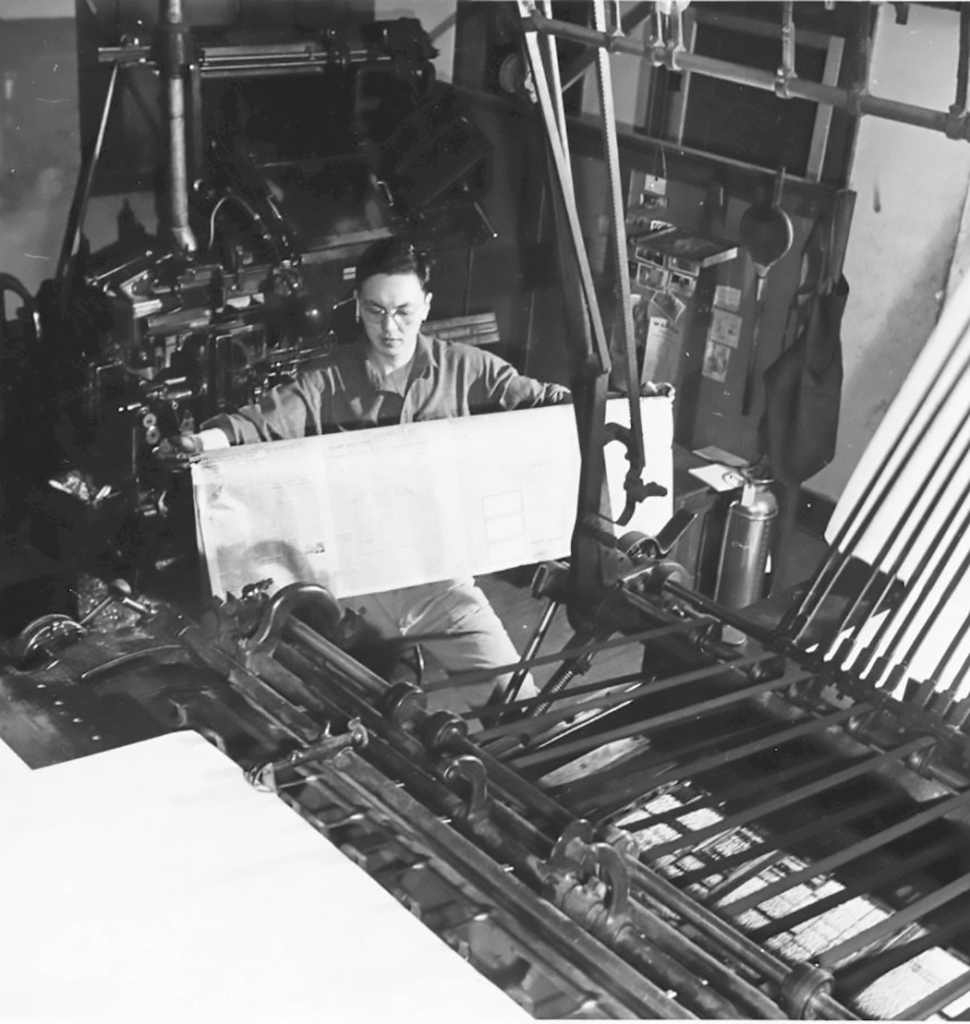
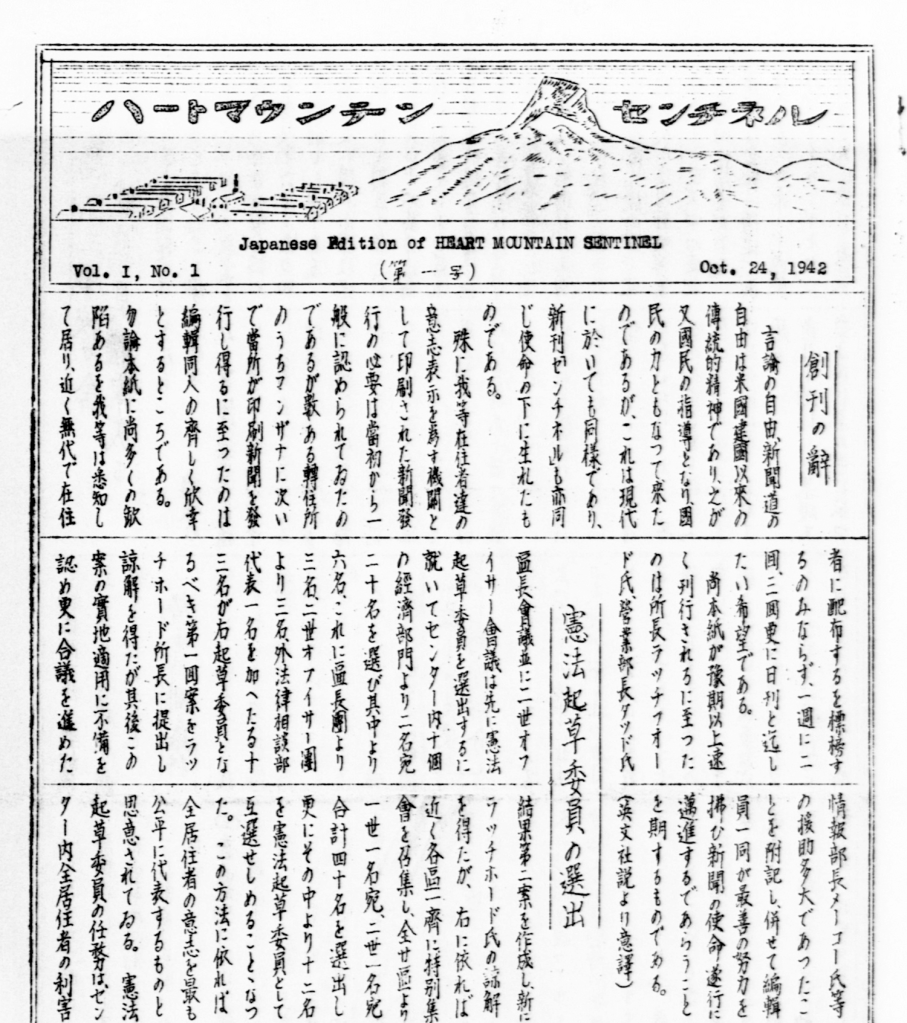
The living conditions within the barrack were accurate. I recall the stark barren rooms in the barrack without utilities—no water and no electricity beyond a single light bulb in the ceiling. The grammar schools were simply more barracks with benches built by the local carpenters from scrap wood. There is a good description of how the camp newspaper, The Sentinel, was produced in camp and printed in the town of Cody.
One of the most significant events is described—the action by the governors of the states where the camps were located. At a conference of governors in Salt Lake City, which was organized by the federal government’s camp administrators, the governors demanded a “Concentration camp regime.” As a result, the camp was modified to create prison conditions including barbed wire fences, guard towers and a military guard force with pistols, rifles, and machine guns. What is remarkable is that three presidents of the U.S. have apologized for the injustice, but not a single governor has apologized for creating the prison conditions at the camps.
In the end, a description is included of how the camp was demolished, barracks sold to returning veterans and the property converted to farms is accurately detailed—The Homesteader Program.
I can confirm that this book is both accurate and interesting for both casual and dedicated history readers.
Table of Contents
Part 1: the Order
Decision
Evacuation
Design
Building the Camp
Part 2: the Physical
Infrastructure
Completing the Camp
Electric Power
Water
Agriculture and Food
Hospital Staff
Hospital Infrastructure
Fire Protection
Police Protection
& Judicial System
Mail Delivery
Motor Pool
The Sawmill and Cellars
Part 3: the Social
Infrastructure
Community Enterprise
Community Activities
Education
The Sentinel
Military Police
Coal, Stoves, and Celotex
Warehousing
The WRA
& Self-Government
Leaving the Camp
Part 4: Transition
The Homesteaders
End of the Camp’s Life
Creating a Tribute
Remembrance
 Bernard Murphy and James Murphy